
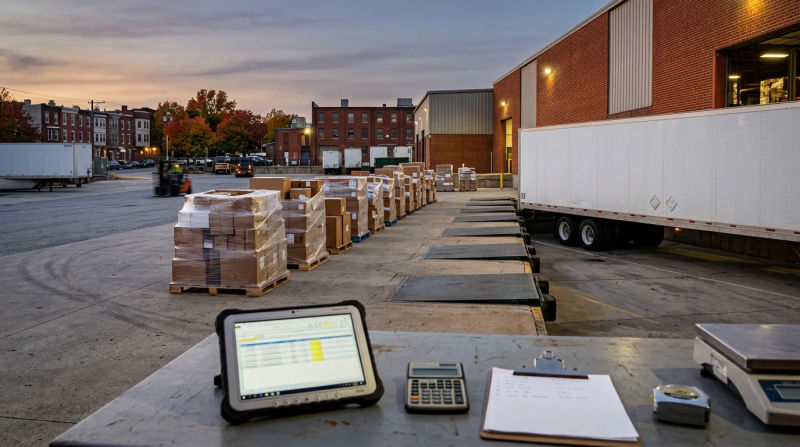
As a Senior Fleet Upfitting & Service Specialist with over 12 years of experience supporting work trucks in the Middle River area, I've seen firsthand how crucial logistics are to businesses. When it comes to shipping freight, one of the first and most important questions is always about cost. Budgeting for freight can feel complex, but it doesn't have to be a mystery. Our goal is to pull back the curtain and give you a transparent look at what goes into a trucking quote here in Baltimore, so you can plan your shipments with confidence.
Average Costs in Baltimore
Providing an exact price for freight shipping without details is impossible, but we can offer some realistic ranges to help you budget. These figures are estimates and can fluctuate based on the factors we'll discuss later. The truckload shipping cost Baltimore MD is dynamic, heavily influenced by factors like proximity to the Port of Baltimore and congestion on major arteries like I-95 and I-895.
- Less-Than-Truckload (LTL): For smaller shipments that don't require a full truck, LTL is the standard. Costs are calculated based on weight, freight class, and distance. For a regional shipment originating in Baltimore, you might expect to pay anywhere from $15 to $50 per 100 pounds. A 500-pound pallet going a few hundred miles could cost between $200 and $400.
- Full Truckload (TL): When you have enough freight to fill an entire trailer, you'll book a full truckload. Pricing is typically done on a per-mile basis. In the current market, Baltimore freight rates for a standard 53-foot dry van can range from $2.50 to $4.50 per mile. A 200-mile trip could therefore range from $500 to $900, plus fuel surcharges and any accessorial fees.
- Drayage (Port Services): Baltimore port pickup load pricing is a category of its own. These are short-haul moves of containers from the port to a nearby warehouse or rail yard. These rates can be highly variable, often quoted as a flat fee ranging from $300 to $800+ depending on distance, wait times, and chassis availability.
Factors That Affect Price
A final quote is built from several key components. Understanding these variables will help you see why one quote might be higher than another.
- Freight Characteristics (Weight, Dimensions, Class): Heavier and larger shipments naturally cost more because they take up more capacity and fuel. For LTL shipments, the freight class is also critical. This is a standardized number (from 50 to 500) that categorizes items based on their density, stowability, handling, and liability. A dense, sturdy item like steel parts (Class 50) is cheaper to ship than fragile, lightweight items like ping pong balls (Class 500).
- Distance and Route Complexity: The longer the distance, the higher the cost. However, it's not just about miles. The specific route matters. A run through a congested corridor like I-95 during peak hours or navigating the Baltimore Harbor Tunnel involves more time and fuel than an open highway route, and this is factored into the price.
- Load Type (LTL vs. TL): As mentioned, booking a full truckload (TL) gives you exclusive use of the trailer. It's direct and fast. Less-Than-Truckload (LTL) means your freight shares space with other shipments. LTL is more cost-effective for smaller loads but may involve more handling and slightly longer transit times as the truck makes multiple stops.
- Pickup and Delivery Environments: The location itself is a major cost driver. A pickup from a modern distribution center with wide-open docks is simple. A delivery to a dense, historic neighborhood like Mount Vernon is not. Many parts of Baltimore are defined by pre-1940s Victorian-era rowhouses on narrow, one-way streets. Our crews need to plan carefully when navigating these areas, and sometimes a smaller straight truck is required, which impacts logistics and cost.
- Market and Seasonal Demand: Freight rates are subject to supply and demand. During peak seasons (like the holidays), rates climb. Here in Baltimore, seasonality can be more nuanced. For example, as we enter October, the earlier darkness can tighten appointment windows at receiving facilities. This increases the sensitivity to delays and raises the risk of detention if a truck is held up.
- Fuel Surcharges: Fuel is one of the largest operating costs for any trucking company. Carriers apply a fuel surcharge, usually calculated as a percentage of the base rate, to account for fluctuating diesel prices. This is a standard practice across the industry.
- Accessorial Fees: These are charges for services beyond standard dock-to-dock transportation. Understanding freight accessorial fees in Baltimore is key to avoiding surprise costs. Common fees include:
- Liftgate Service: Needed if the pickup or delivery location doesn't have a loading dock.
- Residential Delivery: Delivering to a non-commercial address often costs more due to access challenges.
- Detention Time: If a driver has to wait excessively (usually more than 2 hours) to be loaded or unloaded, this fee applies. This is a common issue at congested ports or unprepared facilities.
- Inside Delivery: If the driver is required to bring the freight inside the building.
- Port Congestion Surcharge: Sometimes applied during periods of extreme congestion at the Port of Baltimore.
How to Get the Best Value
Saving money on freight doesn't mean cutting corners. It means being prepared and efficient.
- Be Accurate: Provide precise dimensions, weight, and freight class. An incorrect weight can lead to a re-weigh and a costly billing adjustment.
- Consolidate Shipments: If possible, consolidate multiple smaller LTL shipments into a single, larger LTL or partial truckload shipment to reduce handling and per-pound costs.
- Be Flexible: If you can be flexible with your pickup and delivery dates, you may be able to secure a better rate. Avoiding month-end rushes can sometimes help.
- Prepare Your Facility: Ensure your shipping/receiving area is clear and that staff is ready to load or unload the truck promptly. This is the single best way to avoid detention fees.
- Communicate Clearly: Inform your carrier upfront if you need a liftgate, have a residential delivery, or have any other special requirements. This prevents delays and unexpected charges.
Questions to Ask Your Contractor
Before you commit to a carrier, arm yourself with the right questions to ensure transparency and a good fit for your needs.
- Can you provide a detailed breakdown of the quote, including the base rate, fuel surcharge, and any anticipated accessorials?
- What is your policy on detention, and what is the hourly rate?
- Are your drivers equipped and experienced with deliveries in tight urban areas or historic parts of Baltimore?
- For port pickups, are your drivers TWIC-certified, and how do you manage wait times and potential demurrage?
- What is your process for communicating delays or issues during transit?
Understanding the components of a freight quote is the first step toward managing your logistics effectively. By knowing what factors influence price and how to prepare for your shipment, you can ensure a smooth, predictable, and cost-efficient process.
For a personalized estimate in Baltimore, contact TyGer trucks for a free consultation.