
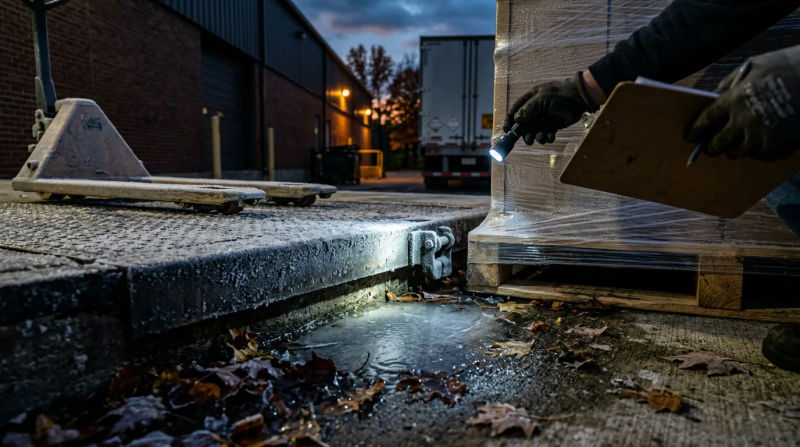
A driver pulls up to your facility in Edgewood. It’s 5 PM in late October, and darkness has already settled in. A light drizzle has turned the heavy leaf fall into a slick carpet across the yard. The driver calls, confused about which dock to use and where the check-in office is. By the time they are guided in and positioned, 45 minutes have passed, and the clock on potential detention fees is ticking. This scenario is more than just a minor inconvenience; it's a clear signal that your shipping process has vulnerabilities that the fall season is starting to expose.
As a specialist who supports work truck fleets, I've seen firsthand how small logistical oversights can cascade into major delays and costs. Efficient freight movement depends on a seamless handover from your dock to our trailer. When that process breaks down, everyone loses time and money. Here are the key indicators that your facility could benefit from better load pickup planning.
Common Signs and Symptoms
If you’re a shipper in the Edgewood area, these signs may feel familiar. They often start small but can quickly escalate, impacting your bottom line and reputation with carriers.
- Frequent Calls from Drivers for Directions: One of the most common red flags is when drivers consistently need to call for clarification. This could be for directions to the facility itself, which entrance to use (truck vs. employee), or where to go once they are on your property. This immediately signals that your pre-arrival communication is lacking.
- Steadily Increasing Detention Fees: Are you regularly paying detention fees? This is a direct financial indicator that your pickup process is inefficient. While a one-off delay is understandable, consistent overages point to a systemic issue in how you prepare for and execute a load pickup.
- Missed Pickup Appointments: When carriers start arriving late or missing their scheduled windows, it creates a domino effect, pushing your entire shipping schedule back. This can be caused by drivers getting lost, long check-in queues, or delays with previous pickups at your facility.
- Negative Feedback from Carriers: Drivers and dispatchers are valuable partners. If they are complaining about wait times, confusing yard layouts, or unsafe conditions, it's wise to listen. Eventually, carriers may start refusing your loads or charging a premium to service your facility.
- Your Own Team is Scrambling: Watch your own dock crew when a truck arrives. Do they move with purpose, or is there a flurry of activity to find the correct paperwork, locate the staged freight, and clear a path? Chaos on the dock is a sure sign of poor internal preparation.
- Yard Congestion and Bottlenecks: Take a look at your yard during peak hours. Are trucks bottlenecked at the gate? Is there a safe, designated place for drivers to wait? Tractor trailer access issues at shipper facility locations, especially in the dense industrial parks of Edgewood, often lead to dangerous and inefficient congestion.
- Minor but Consistent Damages: Are you noticing small dings on equipment, scraped walls near the dock, or minor damage to palletized goods? This can result from drivers feeling rushed or trying to maneuver in poorly lit or tight spaces, a problem made worse by the earlier darkness of fall.
What Causes This Problem
These symptoms don't appear out of nowhere. They are rooted in procedural gaps that can be identified and corrected. Understanding the cause is the first step toward building a more reliable shipping operation.
- Lack of a Detailed Pickup Plan: The primary cause is a failure to plan the pickup from the driver's perspective. An effective plan anticipates the driver's needs from the moment they are assigned the load. This includes accounting for seasonal variables. In October, for instance, a plan must factor in reduced daylight for evening pickups and the potential for slick surfaces from frost and wet leaves.
- Inadequate Site Information and Checklists: Simply providing an address is not enough. Shippers who know how to reduce detention time Maryland shippers use a comprehensive Edgewood MD dock pickup checklist. This document should be sent to the carrier ahead of time and include:
- Precise GPS coordinates for the truck entrance (not the office).
- A simple site map showing the truck route, check-in office, staging areas, and dock doors.
- Specific instructions for check-in (e.g., “Proceed to Door 5 and use the intercom”).
- The name and contact number for the on-site shipping manager.
- Clear identification of any potential hazards, like tight turns or low-hanging branches.
- Ignoring Facility Access Issues: Many industrial properties in the Edgewood area are situated near residential neighborhoods developed in the 1970s. The road networks and mature landscaping from that era were not designed for the turning radius of a modern 53-foot tractor-trailer. This can create challenges before the truck even reaches your gate. On-site, the problems can be worse: insufficient yard space for maneuvering, poorly maintained pavement, and inadequate overhead lighting for safe nighttime operations.
- Reactive vs. Standardized Workflows: Efficiency comes from standardization. When your team waits for the truck to arrive before pulling paperwork and staging the freight, you are operating reactively. A standardized process ensures the load is picked, wrapped, staged in the correct location, and has all paperwork ready before the truck pulls into the dock. Our most efficient pickups occur when our drivers can back in, get loaded, and sign paperwork in a smooth, predictable sequence.
When to Call a Professional
Some issues can be handled with simple internal adjustments, while others require a more strategic approach.
If you experience an occasional driver call or a one-time delay, a quick fix may be all you need. Creating a better set of pre-arrival instructions or updating your business listing on mapping services can often resolve isolated incidents. You can walk your own yard and identify simple improvements, like adding reflective tape to bollards or clearing debris from dock approaches.
However, it's time to call for professional help when you see a pattern of problems. If you are consistently paying detention fees, receiving complaints from multiple carriers, or if your own team is constantly stressed, you likely have a systemic workflow issue. These are signs that the problem is bigger than just a bad map pin.
Experienced professionals can conduct a thorough site assessment. They see hundreds of shipping facilities and can quickly identify bottlenecks and safety hazards you may have become accustomed to. They can help you develop a robust load pickup planning strategy and implement a standardized workflow that makes your facility a preferred location for carriers. This is not just about moving freight; it's about building an efficient, safe, and reliable extension of your business.
Conclusion
Ignoring the signs of a flawed pickup process is a costly mistake. The frequent driver calls, detention fees, and yard congestion you experience are symptoms of deeper inefficiencies that directly impact your profitability and relationships with carriers. As the days get shorter and weather conditions in Edgewood worsen this fall, these small problems will only become more pronounced.
By taking a proactive approach - developing a comprehensive Edgewood MD dock pickup checklist, addressing tractor trailer access issues at shipper facility locations, and standardizing your workflows - you can transform your shipping dock from a source of stress into a model of efficiency. Acting early not only helps you understand how to reduce detention time Maryland shippers but also builds a reputation for reliability that pays dividends.
If you notice any of these signs, contact a local Trucking professional for an inspection.